Tooterie
Ngurai-Illum Wurrung Ancestor and Woman of the Middle Goulburn
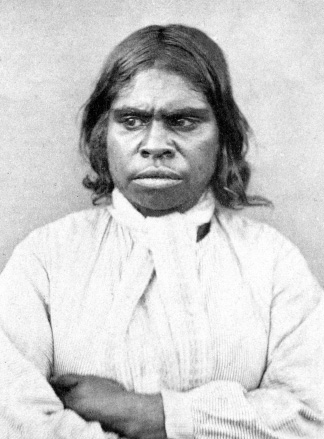
Tooterie stands as one of the most important ancestral figures connected to the Ngurai-Illum Wurrung People and the country of the middle Goulburn River. Historical records identify her as a Ngurai-Illum Wurrung woman from the Murchison area whose life and descendants remained deeply connected to Ngurai-Illum Wurrung country, family and culture.
She is perhaps best known historically as the mother of the respected Aboriginal leader William Barak. Through this connection, Tooterie occupies an important place not only in Ngurai-Illum Wurrung history, but also within the broader history of Aboriginal Victoria. Her story provides an important bridge between the old world of the Ngurai-Illum Wurrung people before invasion and the generations who survived the profound disruption of colonisation.
The historical records place Tooterie firmly within the middle Goulburn region, particularly around Murchison and the surrounding plains country long associated with the Ngurai-Illum Wurrung People. Alfred Howitt recorded her as “Nourailum”, a historical rendering of “Ngurai-Illum”, directly identifying her with the Ngurai-Illum Wurrung people and their country.
Importantly, Dr John Morton reviewed the historical material and concluded that Tooterie was a Ngurai-Illum Wurrung woman associated with the Murchison area, providing significant support for her connection to Ngurai-Illum Wurrung country and identity.
The story of Tooterie also reflects the enduring strength of Ngurai-Illum Wurrung kinship systems and family continuity. Despite the forced removals, violence and upheaval experienced by Aboriginal people across Victoria during the nineteenth century, the descendants of Tooterie continued to maintain connections to family, country and community. These connections survived through oral history, kinship ties, memory, cultural identity and continuing recognition amongst descendants and community members.
Tooterie’s life demonstrates that Ngurai-Illum Wurrung identity was not simply a name recorded in colonial documents, but part of a living Aboriginal society connected to its own country, laws, customs and family networks in the middle Goulburn region. Her association with Murchison country, her place within Ngurai-Illum Wurrung family structures, and the continuity maintained by her descendants form an important part of the historical and cultural foundation of the present Ngurai-Illum Wurrung claim group.